
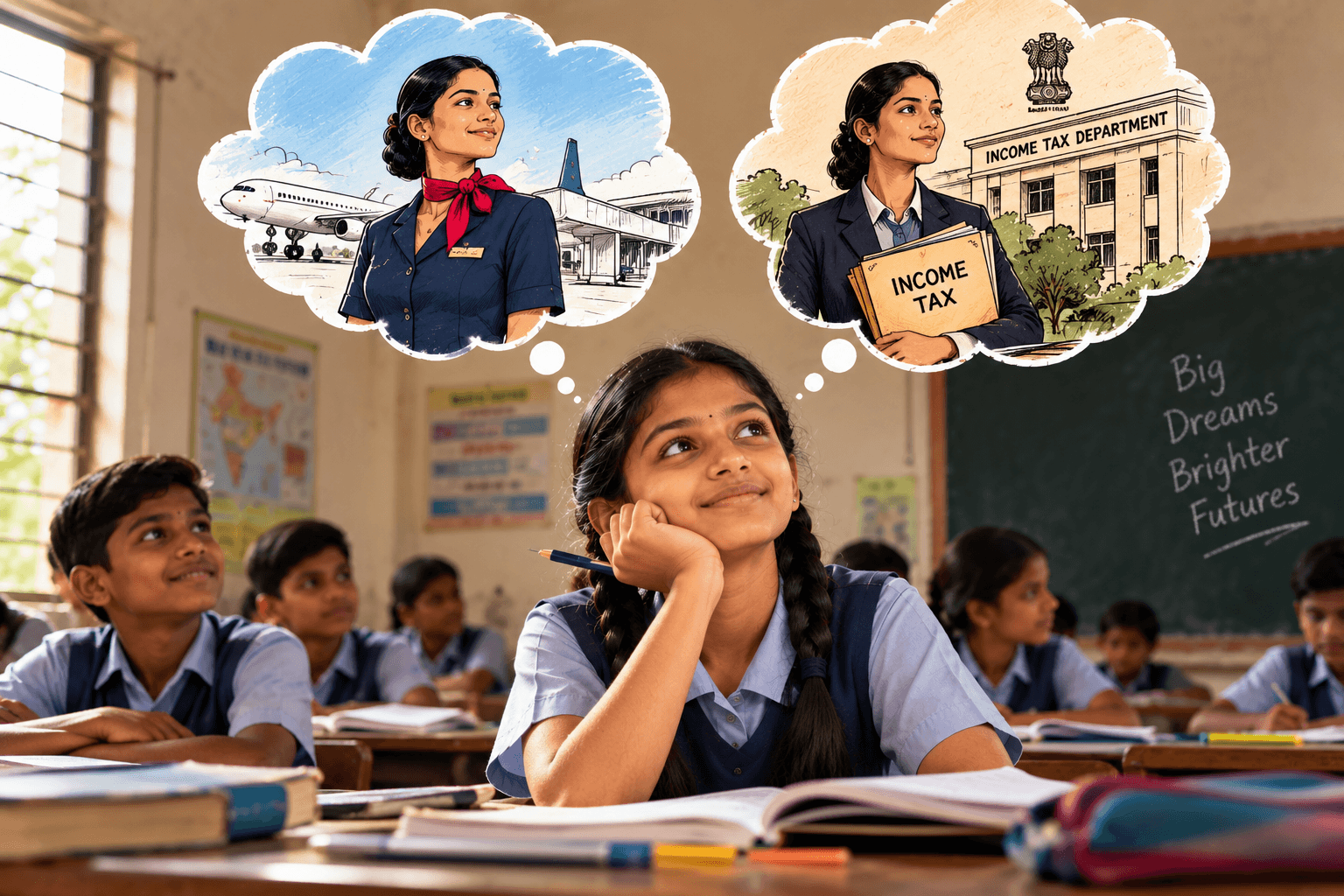
Cabin Crew Member. An Income Tax Officer. Meet Gayathri, the Class 8 Dreamer
A cabin crew member. An Income Tax Officer. Two very different careers, both on Gayathri’s mind while she’s still in Class 8.
A student at a government school in Bidar, Karnataka, Gayathri has career aspirations of her own. But what does it take to get there? What should she study? Which exams will she need to take?
Through ILP’s Career Guidance programme, she began finding answers to these
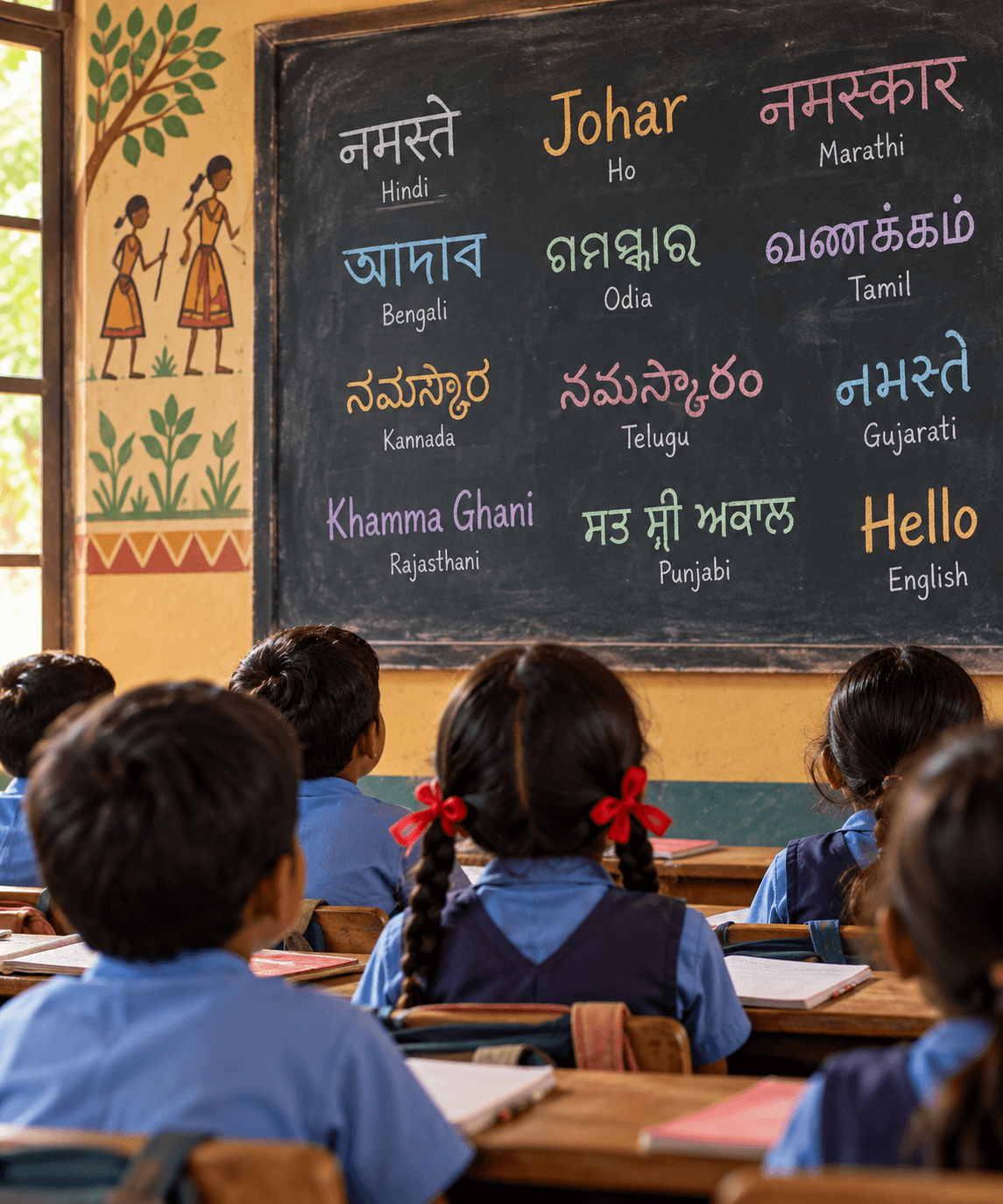
What if a child’s learning gap is really a language gap?
At ILP, foundational learning is at the heart of our work. And one of the first things that shapes how well a child learns is the language they’re taught in.
This is a real challenge in Jharkhand’s tribal communities, where many children start school in a language they don’t speak at home. When lessons are in an unfamiliar language, even basic reading and maths become harder to
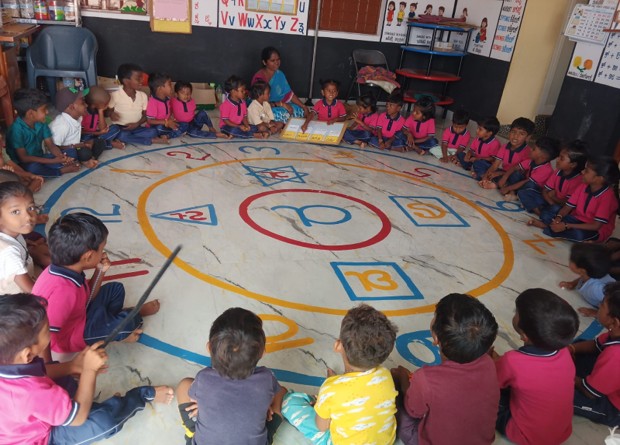
From One Anganwadi To Many: Taking Impactful Practices Forward
The early years shape how children experience learning. In Chitradurga, ILP’s Early Childhood Care and Education (ECCE) programme under the Karnataka Model School Pathways Programme (KMSPP) is transforming 70 Anganwadi Centres (AWCs) into vibrant, enabling spaces. By introducing child-friendly artwork, Building as Learning Aid (BaLA) elements, upgraded WASH facilities, and training teachers to use new Teaching-Learning Materials (TLMs), we are making early education far more engaging
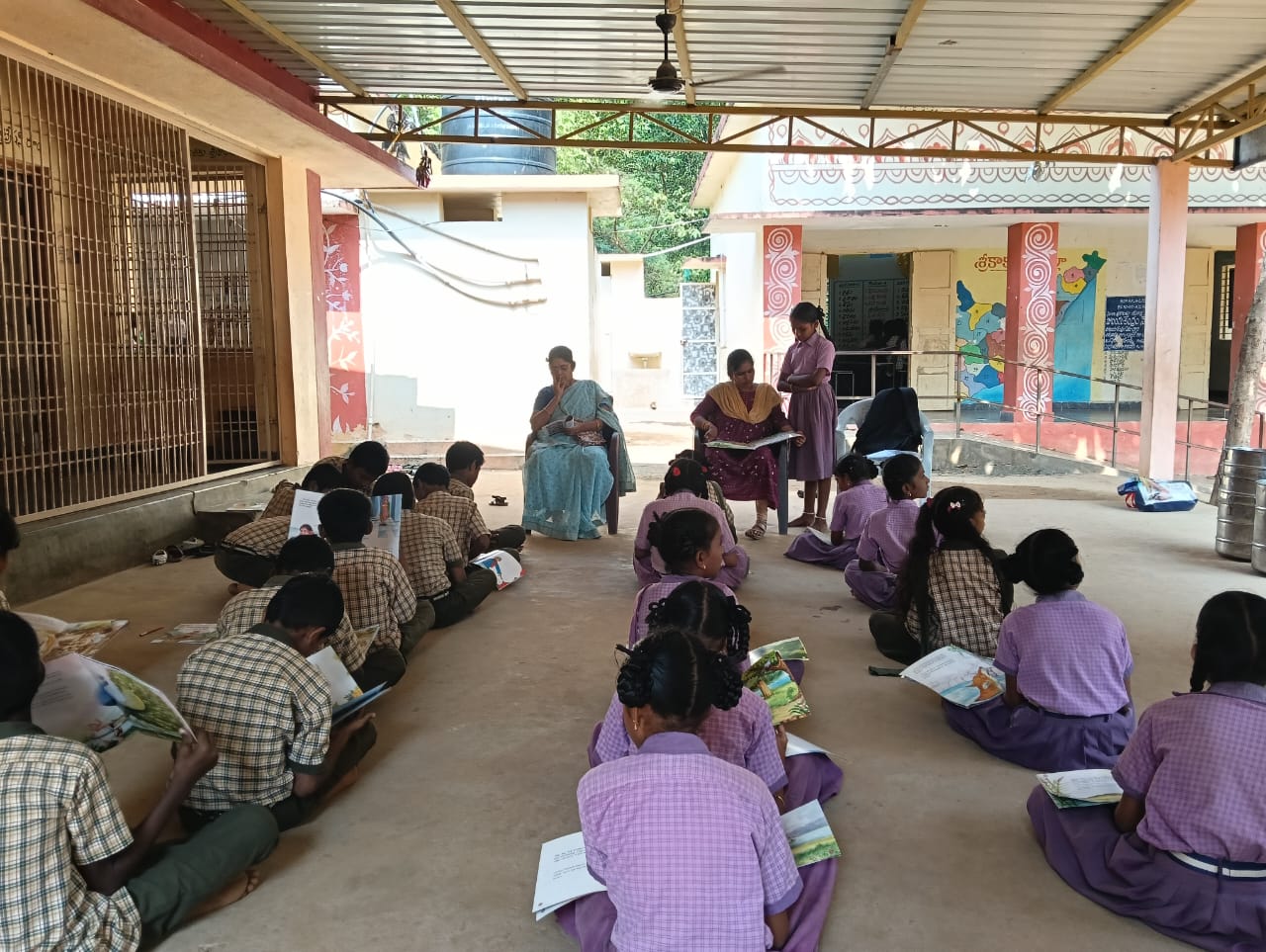
Boravanipeta’s Award-Winning Education Journey: 100% Enrolment, 100% Retention, Zero Dropout
What does it take to make a school or Anganwadi a place where children can learn, explore & feel encouraged to participate?
In Boravanipeta Gram Panchayat in Srikakulam district of Andhra Pradesh, this question shaped the work across two villages, Boravanipeta and Thallavalasa, where one Upper Primary School, one Primary School and two Anganwadi Centres serve children in their early years and school years.
Through our partnership with
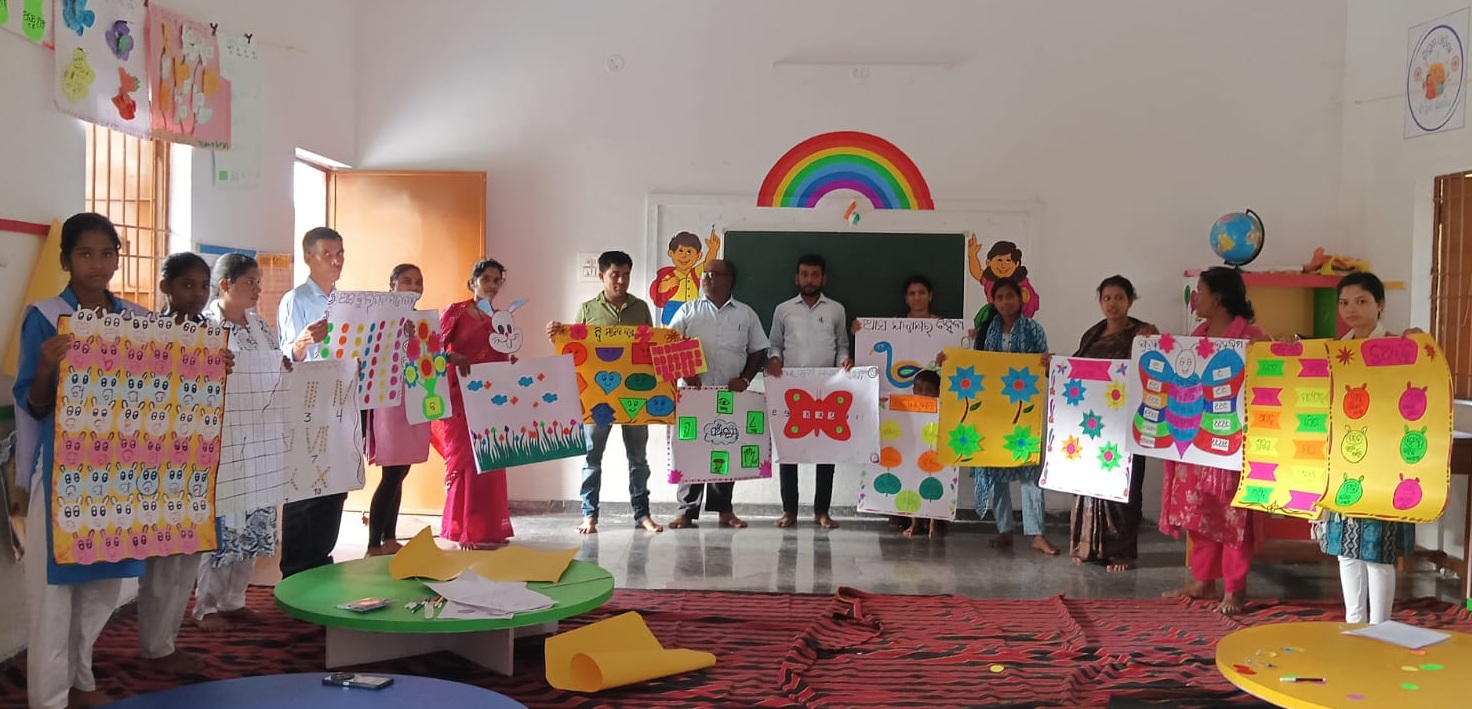
The magic of TLMs: From hearing to experiencing, from experiencing to learning
The idea behind Teaching Learning Materials (TLMs) is not new. For centuries, educators have recognised that children learn better when they can 𝘀𝗲𝗲, 𝘁𝗼𝘂𝗰𝗵 𝗮𝗻𝗱 𝘄𝗼𝗿𝗸 𝘄𝗶𝘁𝗵 𝘄𝗵𝗮𝘁 𝘁𝗵𝗲𝘆 𝗮𝗿𝗲 𝗹𝗲𝗮𝗿𝗻𝗶𝗻𝗴.
From Montessori’s hands-on materials to today’s locally made TLMs, the principle remains the same: take learning beyond the words on a page and make it something children can experience.
A number, a shape or a concept can
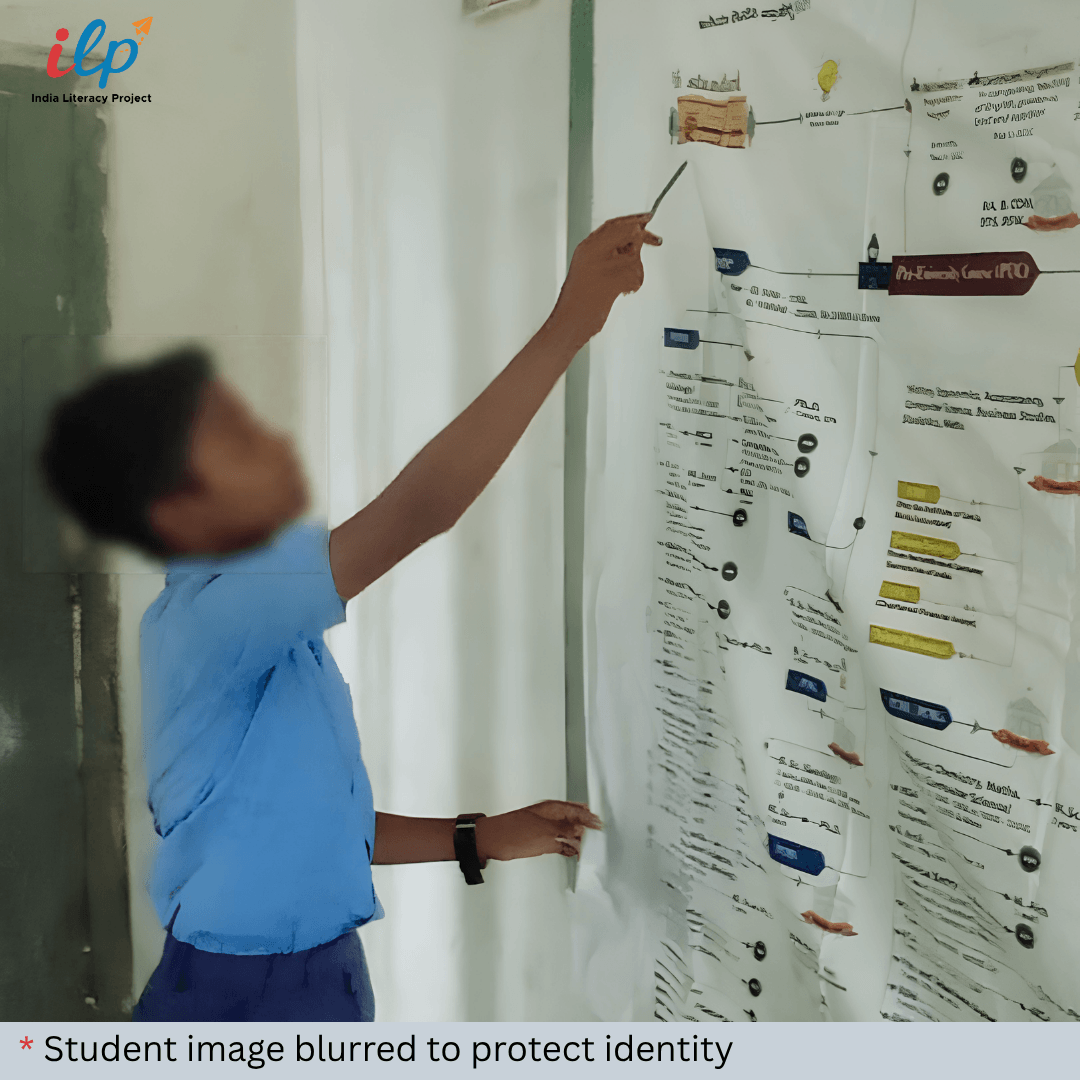
Chandra didn’t have the answers, but he started asking the right questions
At Government High School Kalaburgi, Karnataka, Class 9 student Chandra was still figuring out what he wanted to do in the future. When his teacher asked him, he said, “I have many dreams for my future, but I’m not sure what I really want to do.”
That question marked the beginning of his one-year journey through career guidance.
𝗦𝘁𝗮𝗿𝘁𝗶𝗻𝗴 𝘄𝗶𝘁𝗵 𝘀𝗲𝗹𝗳-𝗱𝗶𝘀𝗰𝗼𝘃𝗲𝗿𝘆
Using the Career Guidance Workbook, students worked through
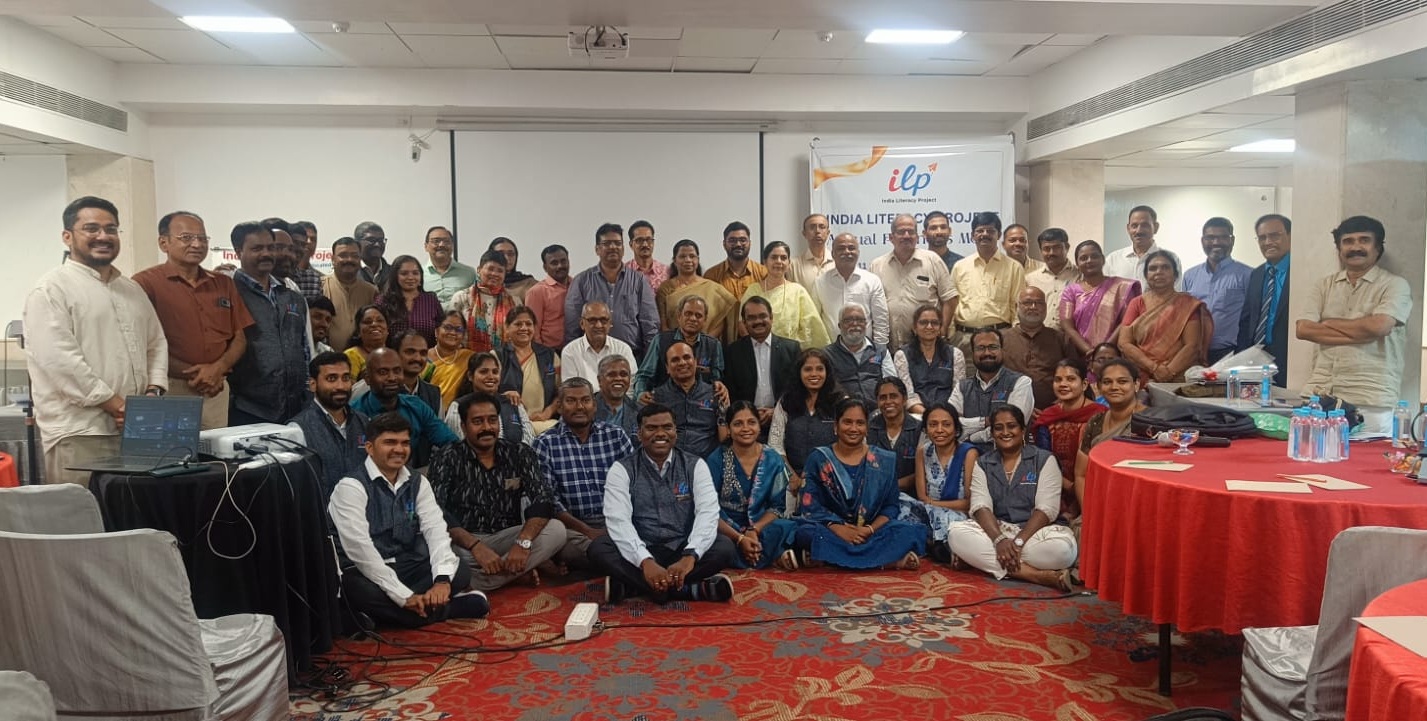
ILP Annual Partners Meet 2026: What does it take to move education forward?
We often talk about improving education as though the answer lies in finding the right program.
But education systems rarely change through one program, one organization or one idea. They move forward when people working across different parts of the system come together, examine what is happening on the ground, learn from one another and are willing to rethink what comes next.
That was the spirit of the
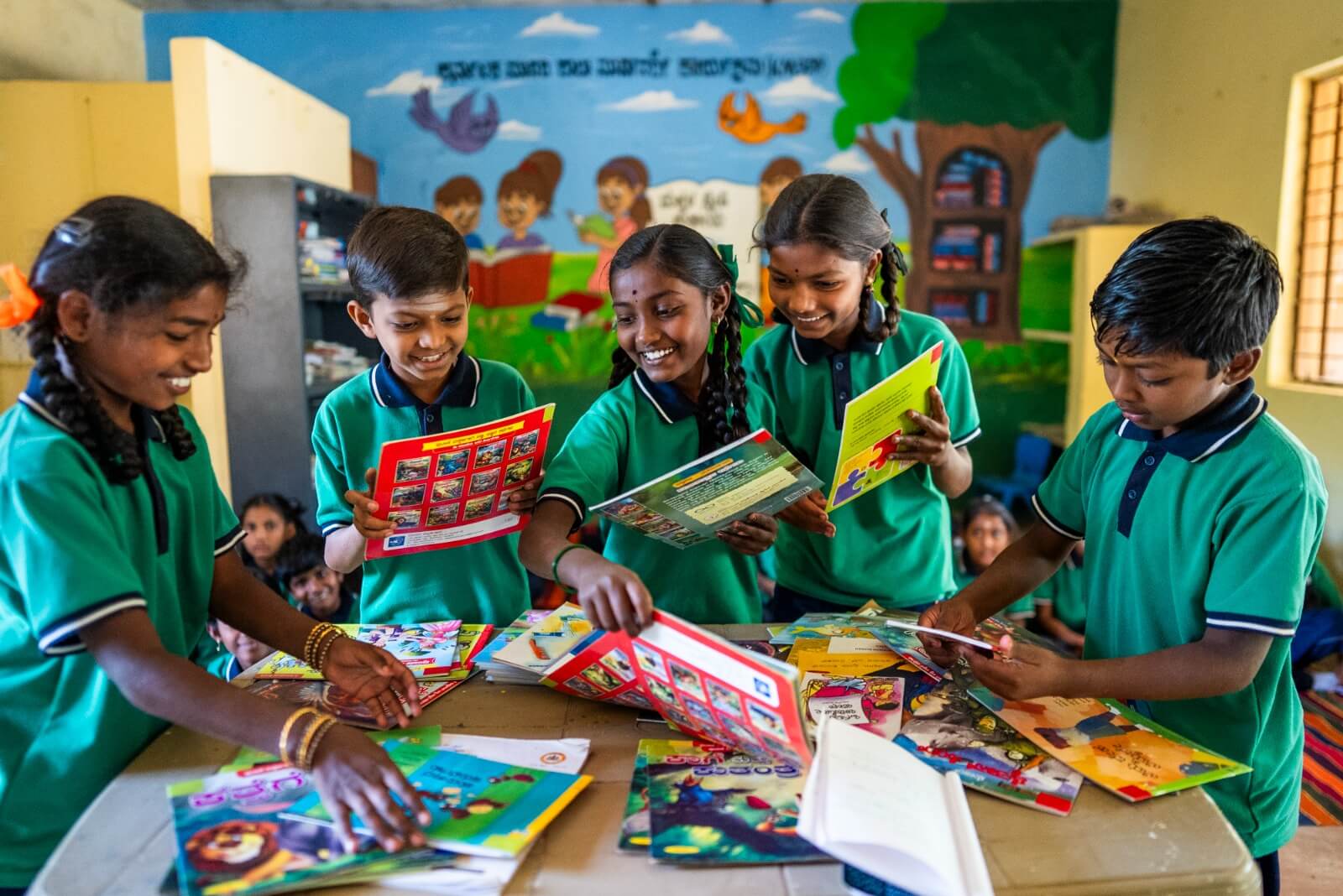
Designing libraries around children, not books
We often talk about improving reading levels as though reading is just another competency to measure.
But the bigger question is: what kind of relationship are we helping children build with reading?
A Child Friendly Library answers that differently.
The idea is deceptively simple: children encounter books that match where they are as readers, in a space that makes them want to return. Books organised by reading levels allow
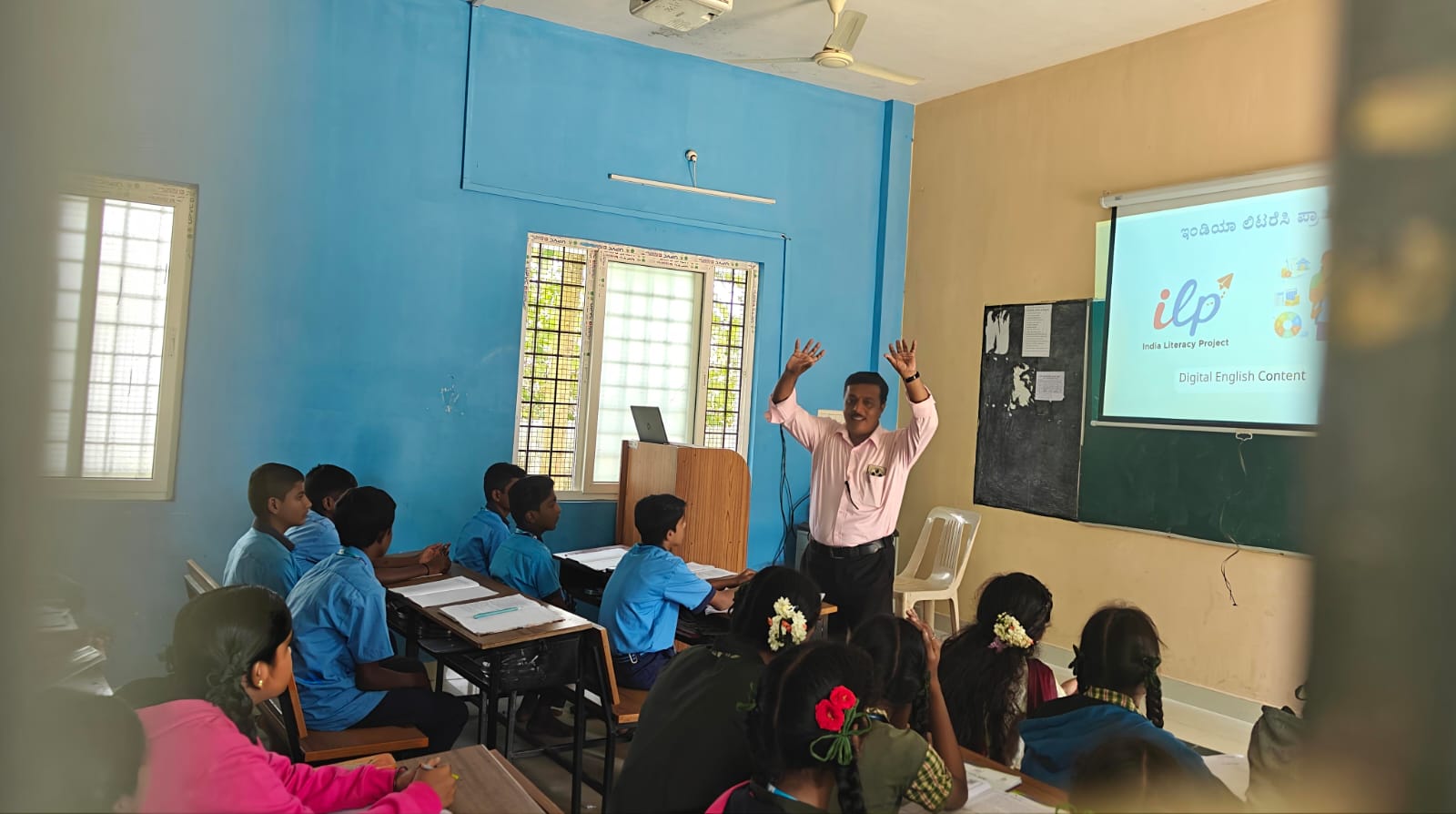
ಕೃತಕ ಬುದ್ಧಿಮತ್ತೆ (AI) ವಿಷಯಗಳನ್ುು ವಿವರಿಸಬಲ್ಲದು. ಆದರತ ಮಗುವಿನ್ಲ್ಲಲ ಕಲ್ಲಯುವ ಹಂಬಲ್ ಮೂಡಿಸಲ್ು ಅದರಿಂದ ಸಾಧ್ಯವತೇ?
By ಪ್ರಮೋದ್ ಶ್ರೀಧರಮೂರ್ತಿ
ಶಾಲೆಗಳಲ್ಲಿ AI ಬಳಕೆಯ ಬಗೆಗಿನ ಬಹುಪಾಲು ಉತ್ಸಾಹವು ಒಂದು ಸರಳ ನಂಬಿಕೆಯ ಮೇಲೆ ನಿಂತಿದೆ: ಬೋಧನೆ ಎಂದರೆ ಕೇವಲ ಪರಿಕಲ್ಪನೆಗಳನ್ನು ವಿವರಿಸುವುದು. ಒಂದು ಯಂತ್ರವು ಭಿನ್ನರಾಶಿ, ವ್ಯಾಕರಣ ಅಥವಾ ಕೋಡಿಂಗ್ ಅನ್ನು ತಾಳ್ಮೆಯಿಂದ ವಿವರಿಸಬಲ್ಲದಾದರೆ, ಶಿಕ್ಷಕರ ಪಾತ್ರ ಕಡಿಮೆಯಾಗಬಹುದು ಎಂಬುದು ಇದರ ಸಾರ. ಮೇಲ್ನೋಟಕ್ಕೆ ಈ ಮಾತು ನಿಜವೆಂದೇ ಅನಿಸುತ್ತದೆ. ಆದರೆ, ನಾವು ಒಂದು ಕಹಿ ಸತ್ಯವನ್ನು ಮರೆಯುವಂತಿಲ್ಲ: ಬಹುಪಾಲು ಮಕ್ಕಳು ತಾವಾಗಿಯೇ ಕಲಿಯುವ ಹಂಬಲದೊಂದಿಗೆ ಶಾಲೆಗೆ ಬರುವುದಿಲ್ಲ.
ಕೆಲವು ಮಕ್ಕಳು ಕಲಿಯಬೇಕೆಂಬ ಉತ್ಸಾಹದಿಂದಲೇ ಬೆಳಿಗ್ಗೆ ಎದ್ದೇಳುತ್ತಾರೆ. ಆದರೆ ಬಹುತೇಕ ಮಕ್ಕಳು ಹಾಗಿರುವುದಿಲ್ಲ. ಮಕ್ಕಳಿಗೆ ಆಟ, ಕಥೆಗಳು, ಸ್ನೇಹಿತರು, ಪ್ರಶಂಸೆ ಮತ್ತು
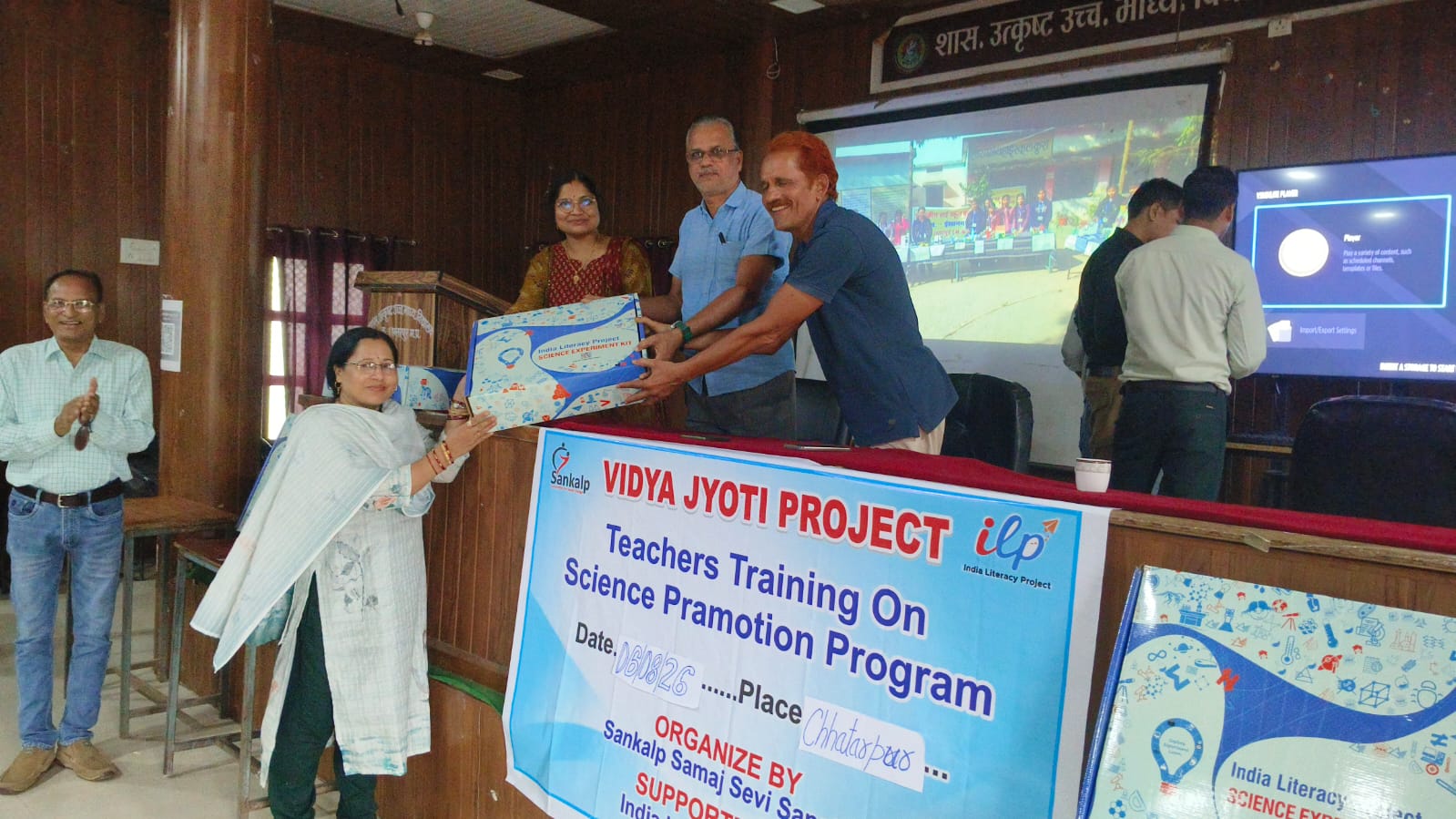
Bringing NEP 2020’s experiential learning approach to classrooms with ILP’s Science Kit
Before asking children to learn by doing, 24 teachers in Chhatarpur got to do it themselves.
The teachers experimented, observed and explored the possibilities of ILP’s Science Kit and thought about how they could bring the same experience into their own science classrooms.
That was the focus of a hands-on training organised by our 𝗡𝗚𝗢 𝗣𝗮𝗿𝘁𝗻𝗲𝗿, 𝗦𝗮𝗻𝗸𝗮𝗹𝗽 𝗦𝗮𝗺𝗮𝗷 𝗦𝗲𝘃𝗶 𝗦𝗮𝗻𝘀𝘁𝗵𝗮. The training helped teachers strengthen their practical science
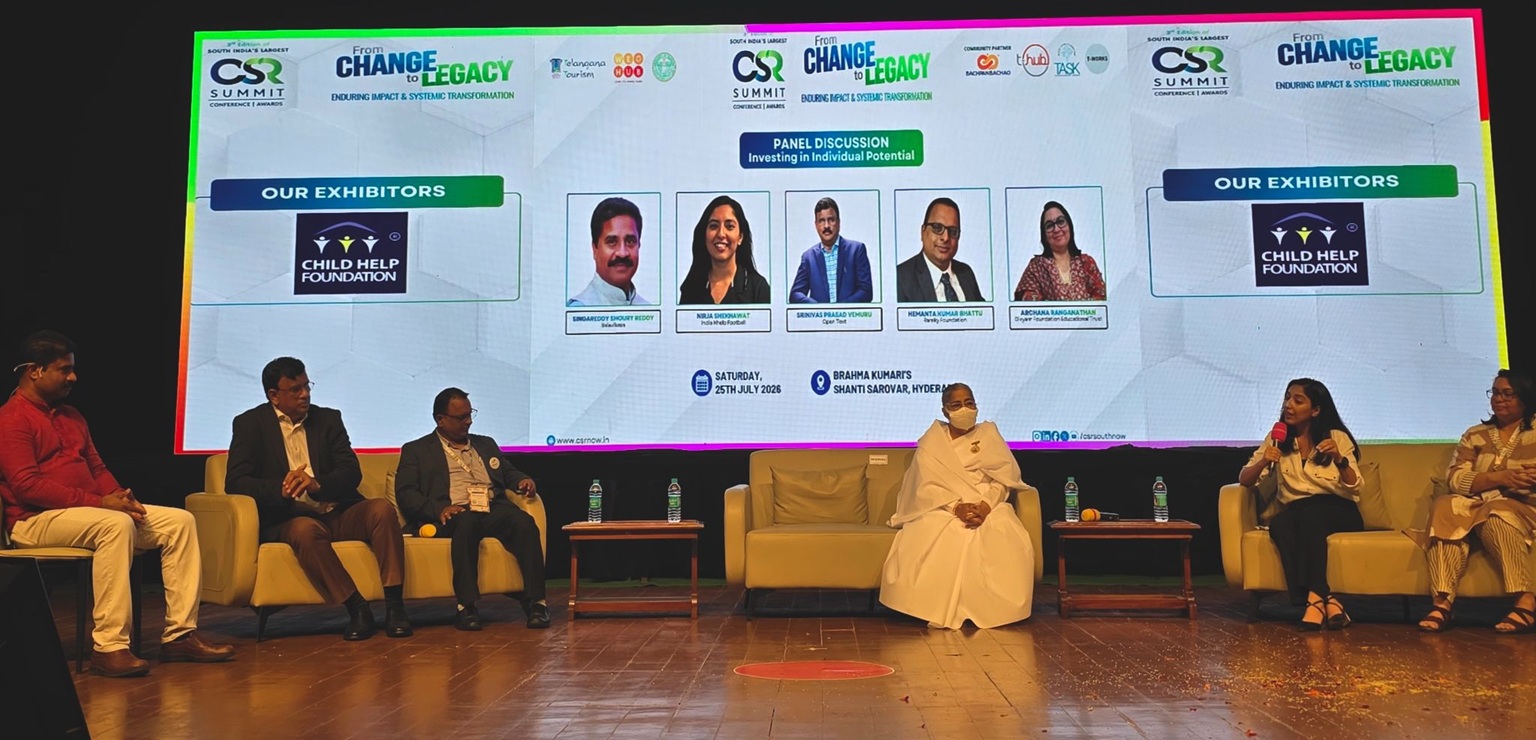
From intent to impact: Reflections from South India’s CSR Summit
The ILP team attended the 3rd Edition of South India’s Largest CSR Summit, themed “From Change to Legacy.” Bringing together leaders from government, corporates, NGOs, and the development ecosystem, the summit explored how CSR is moving beyond compliance to creating long-term, systemic change.
One of the standout sessions demonstrated how digital innovation can transform education. To bridge post-pandemic learning gaps, textbook content was converted into interactive 2D
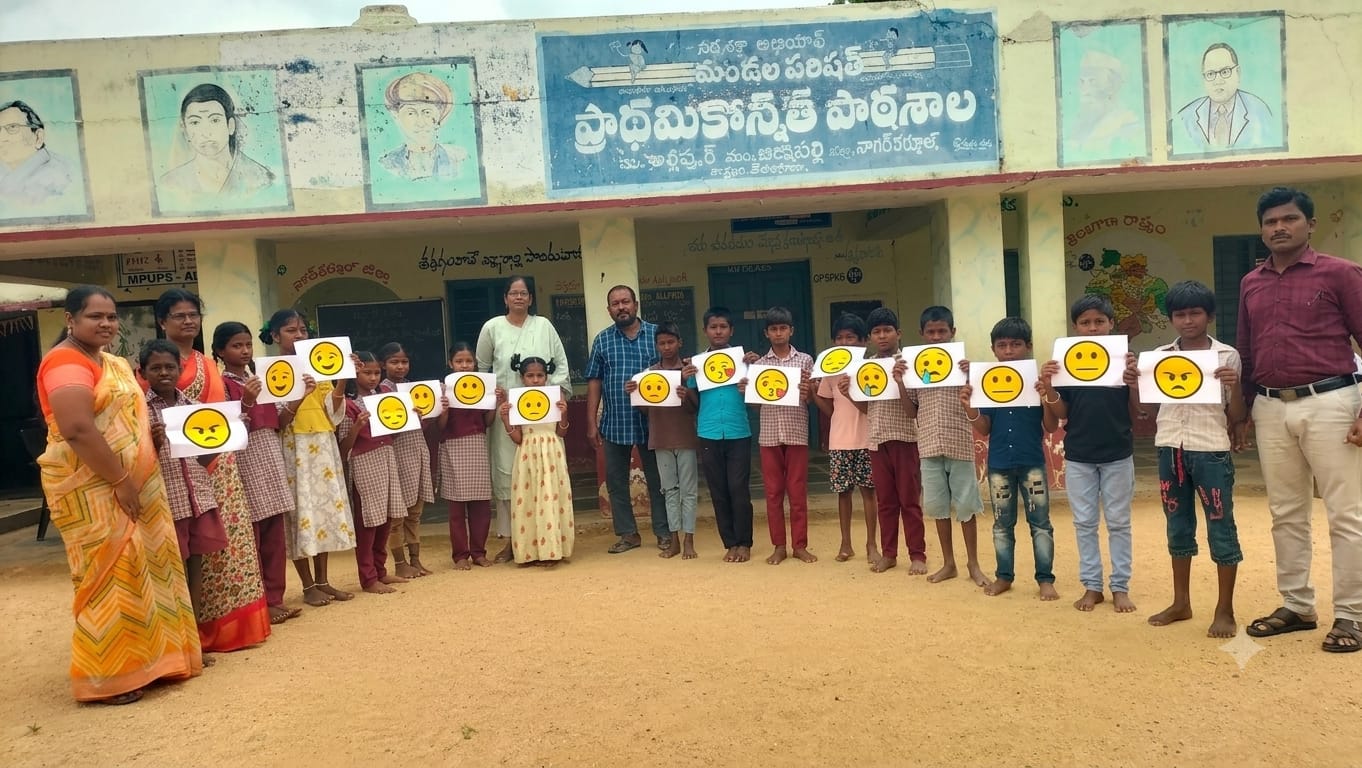
Every emoji tells a story and so does every child
On 𝗪𝗼𝗿𝗹𝗱 𝗘𝗺𝗼𝗷𝗶 𝗗𝗮𝘆 last week, ILP NGO Partner 𝗥𝘂𝗿𝗮𝗹 𝗗𝗲𝘃𝗲𝗹𝗼𝗽𝗺𝗲𝗻𝘁 𝗦𝗼𝗰𝗶𝗲𝘁𝘆 (𝗥𝗗𝗦), 𝗪𝗮𝗻𝗮𝗽𝗮𝗿𝘁𝗵𝘆 transformed a simple set of emoji cards into a joyful lesson on emotions for the students of MPUPS Alipur, Nagarkurnool.
As children picked emojis representing happiness, sadness, surprise, excitement, and love, they eagerly shared moments and feelings connected to each one.
The activity sparked smiles, conversations, and a deeper understanding of emotions in a